The Viral Storm: Unpacking the "Punch the Monkey" Incident at Ichikawa Zoo
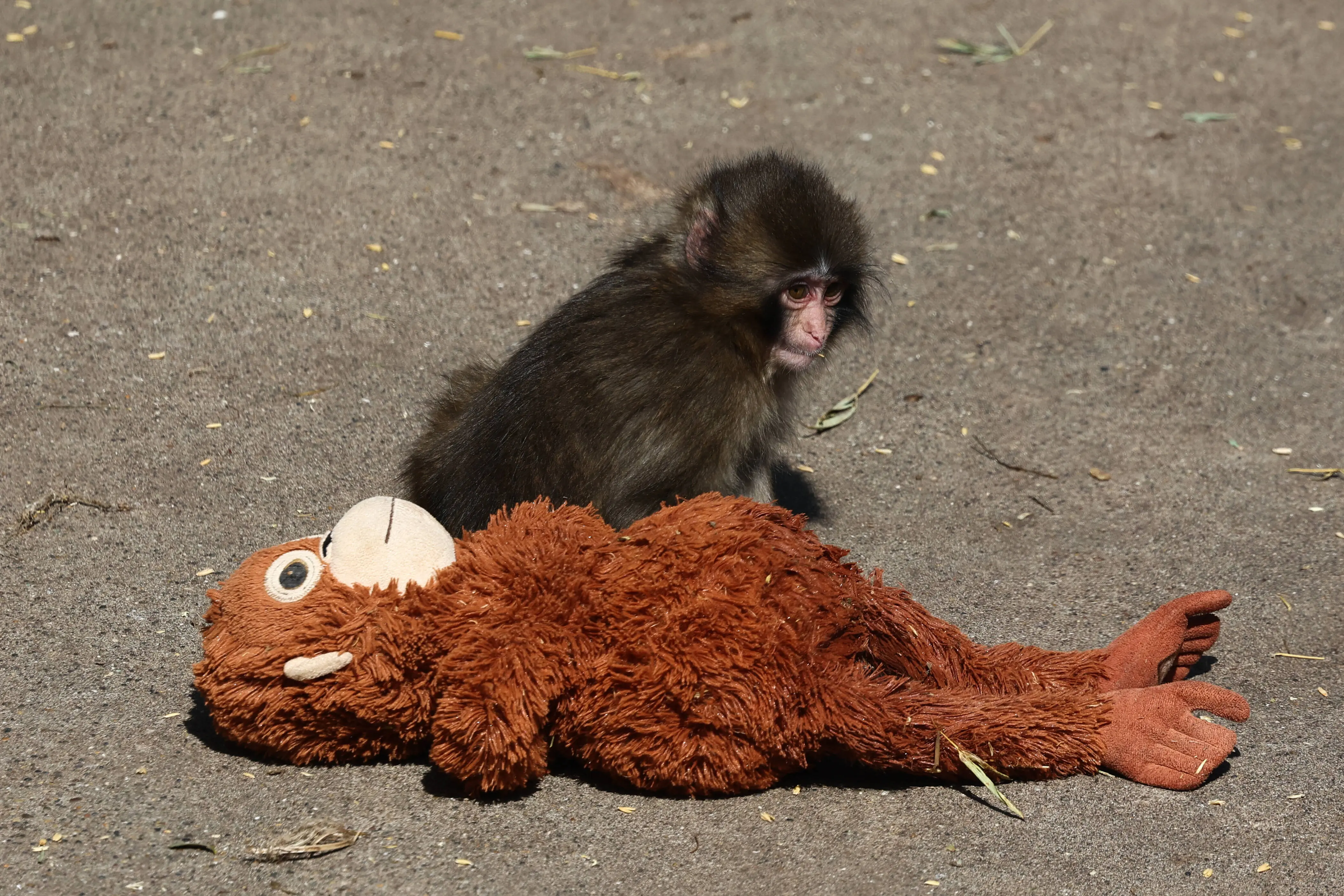
In an age where information travels at lightning speed, a single video from Japan’s Ichikawa City Zoo recently sent shockwaves across the internet, sparking a global outpouring of concern and leading many to tragically question: Punch The Monkey Dead? The footage, which depicted a young Japanese macaque named Punch lying seemingly motionless beside his beloved 'Oran-Mama' plush toy, quickly became a focal point of intense worry and speculation. Millions watched, shared, and debated the fate of the seven-month-old animal, who had already captured hearts worldwide.
The incident in question, captured on visitor and enclosure surveillance footage, showed Punch in a precarious situation. Engaged in a typical interaction with older, more dominant members of his troop, the juvenile macaque was observed being pushed into a pond within his enclosure. While brief, the moment was enough to cause alarm. Subsequent clips, showing Punch resting quietly after the incident, were interpreted by many as evidence of a tragic outcome, fueling the distressing rumors that Punch The Monkey Dead was a grim reality.
What made this particular video so impactful was the context. Punch had already become a viral sensation due to his endearing attachment to a bright orange plushie, dubbed 'Oran-Mama' by his keepers. This toy served as a comfort object, especially after early videos depicted Punch struggling to integrate with the larger macaque troop, often appearing isolated or bullied. The sight of him lying still, next to his inanimate companion, amplified the emotional response of viewers who had invested deeply in his welfare.
Debunking the Hoax: Is Punch the Monkey Dead?
Amidst the wave of concern, a disturbing hoax began to circulate, particularly on social media platforms like X (formerly Twitter), falsely claiming that Punch The Monkey Dead had been confirmed. Posts, often accompanied by somber, desaturated images of Punch and his toy, spread rapidly, accumulating millions of views and eliciting distraught reactions from heartbroken followers. Phrases like "tell me it’s not true" and "This cannot be…" flooded comment sections, highlighting the emotional toll of such misinformation.
Fortunately, these claims were swiftly and definitively debunked. Officials at Ichikawa City Zoo wasted no time in clarifying the situation. They issued official statements confirming that Punch is, in fact, alive and currently in stable condition. The zoo’s rapid response was crucial in quelling the growing panic and providing accurate information to a concerned global audience. It was revealed that the viral post claiming Punch's death originated from a parody account, underscoring the critical need for media literacy and fact-checking in the digital age. This incident serves as a stark reminder that not everything seen online is true, and verifying sources, especially for emotionally charged content, is paramount. For more on how these hoaxes spread and the zoo's response, you can read our detailed article: Is Punch the Monkey Dead? Debunking Viral Hoax & His Health Update.
The reality is far less grim. Zoo staff explained that the video showing Punch resting was taken shortly after the pond incident. Resting after a stressful event is a natural behavior for animals, especially young ones navigating complex social structures. Regular health checks confirmed that Punch remained active, eating, and moving normally, assuring his millions of fans that their beloved macaque was recovering well from his momentary dip.
Punch's Journey: From Orphan to Internet Sensation
Before the pond incident thrust him into the center of a "Punch The Monkey Dead" controversy, Punch had already secured his place as an internet darling. His initial rise to fame began with heartwarming images and videos showcasing his unique bond with 'Oran-Mama'. Provided by his diligent keepers, the orange plush toy became his constant companion, offering a sense of security and comfort as he navigated the often-challenging social landscape of his macaque troop.
Punch's story resonated deeply with people worldwide because it touched upon universal themes of vulnerability, resilience, and the search for acceptance. As an abandoned or orphaned macaque struggling to gain a foothold among older, established members of the troop, Punch's reliance on his plushie symbolized a poignant struggle. Many viewers empathized with his predicament, seeing reflections of their own experiences with loneliness or seeking comfort in difficult times. This emotional connection transformed Punch from a zoo animal into a global phenomenon, with millions actively following his updates, cheering him on, and hoping for his successful integration. To understand the full scope of his viral journey, explore our article: Punch the Monkey's Popularity: How One Macaque Became a Viral Sensation.
The Ichikawa Zoo played a vital role in fostering this connection. By openly sharing Punch's story and providing regular updates, they not only raised awareness for their animals but also educated the public about macaque behavior and welfare. The provision of 'Oran-Mama' itself was an insightful intervention by the keepers, demonstrating a deep understanding of animal psychology and the need for emotional support in challenging environments.
Behind the Scenes: The Ichikawa Zoo's Response and Ongoing Care
The Ichikawa City Zoo handled the viral incident with commendable transparency and professionalism. Upon reviewing surveillance footage and visitor recordings, staff quickly identified the precise sequence of events: Punch was indeed pushed into the pond by another macaque. This was not an accident but an interaction, typical of the complex dominance hierarchies and social learning within macaque troops. The identified individual macaque involved in the interaction has since been monitored, and the zoo has implemented measures to manage troop behavior, ensuring Punch’s safety while allowing for natural social development.
Understanding Macaque Social Dynamics: More Than Just "Bullying"
While the term "bullying" is often used in human contexts, in the animal kingdom, particularly among highly social species like Japanese macaques, interactions like Punch's pond incident are often part of a natural, albeit sometimes harsh, process of establishing social order. Young macaques must learn their place within the troop, and older members assert dominance, guiding the youngsters through social cues and physical interactions. This can involve pushing, chasing, or even biting. Zoo staff are trained to differentiate between normal social dynamics and genuinely harmful aggression, intervening when necessary. Punch's integration process involves carefully balanced exposure to these dynamics while ensuring his overall well-being.
Veterinary Oversight and Ethical Considerations
Following the incident, Punch received thorough veterinary checks. The reports confirmed he was in stable condition, displaying normal activity, eating habits, and movement. These ongoing health checks are crucial as Punch continues his journey of integrating into the larger macaque group. The zoo’s commitment extends beyond immediate physical health; they are also managing the impact of Punch's newfound fame. Daily visitor numbers soared to around 6,000 people, prompting the introduction of a 10-minute viewing limit around his enclosure. This proactive measure aims to reduce stress on Punch and the entire troop, ensuring that his popularity doesn't compromise his welfare. It's a delicate balance: engaging the public for conservation and education while protecting the animals from the potentially overwhelming consequences of their own celebrity.
Lessons Learned: Empathy, Misinformation, and Wildlife Welfare
The "Punch the Monkey" incident at Ichikawa Zoo offers several profound lessons. First, it powerfully demonstrates the global capacity for empathy towards animals. Millions connected with Punch's story, highlighting a universal desire to protect vulnerable creatures and cheer on their triumphs. This viral phenomenon can be a double-edged sword, however. While it brought much-needed attention to Punch and the Ichikawa Zoo, it also underscored the speed and destructiveness of online misinformation. The rapid spread of the "Punch The Monkey Dead" hoax served as a stark reminder for all internet users to critically evaluate sources and verify information before reacting or sharing.
For zoos and wildlife facilities, Punch's story provides valuable insights into managing both animal welfare and public engagement. It emphasizes the importance of:
- Transparent Communication: Promptly addressing public concerns with factual information can prevent the spread of hoaxes.
- Observational Expertise: Understanding and interpreting animal behavior, especially complex social dynamics, is crucial for effective care.
- Ethical Visitor Management: Implementing measures like viewing limits helps balance public interest with animal well-being.
- Providing Enrichment: Items like 'Oran-Mama' are vital for psychological comfort and behavioral development, especially for young animals facing integration challenges.
Punch's journey is far from over. As he continues to grow and assimilate into his troop, the Ichikawa Zoo remains dedicated to his care and ongoing monitoring. His story is a testament to the resilience of wildlife and the profound impact a single animal can have on human hearts, reminding us to approach online information with caution and real-world animal welfare with compassion and responsibility.